Anna Krause · 6 October 2026
Brilounge Integrates Gamified Challenges Across Themed Virtual Spaces to Support Skill Growth
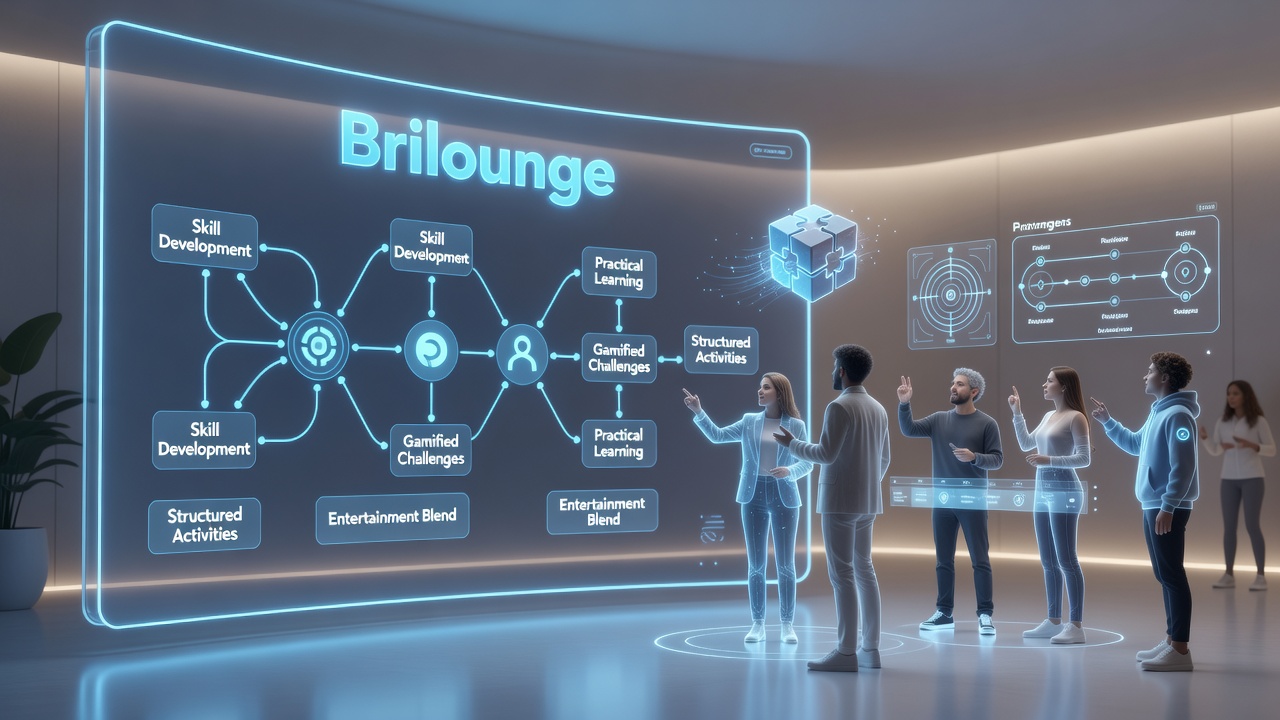
Brilounge has developed a system where themed virtual spaces serve as the foundation for gamified challenges that guide participants through skill-building activities, and these environments combine entertainment elements with practical modules so users can practice new abilities while progressing through structured sequences. Observers note that the platform organizes its spaces around specific themes such as innovation labs, creative studios, and strategic simulations, each containing layered challenges that reward consistent participation and completion of tasks.
Mechanics Behind the Themed Virtual Spaces
Each themed area in Brilounge operates on a set of rules that track user actions through points, levels, and badges while participants complete activities tied directly to learning objectives, and the system adjusts difficulty based on prior performance so individuals move forward at a pace that matches their demonstrated progress. Data from similar platforms shows that structured progression systems increase completion rates when entertainment features remain visible alongside educational content, and Brilounge applies this pattern by embedding narrative elements that unfold as users advance through modules on communication techniques, project coordination, or digital tool usage.
Challenges appear in sequences that blend quick interactive tasks with longer projects, allowing participants to earn immediate feedback while building toward larger goals, yet the platform maintains clear separation between recreational elements and the practical components that deliver measurable skill outcomes. Researchers have documented comparable approaches in other digital environments where gamification supports retention when activities connect entertainment value to concrete learning targets.
How Entertainment Merges With Practical Learning Modules
Brilounge structures its modules so that game-like rewards appear alongside direct instruction on topics such as data analysis or team leadership, and users encounter scenarios where they apply new methods in simulated settings before receiving evaluations that highlight areas for improvement. This arrangement keeps engagement high while directing attention toward skill acquisition, and the platform logs performance metrics that participants can review to monitor their own development over time.
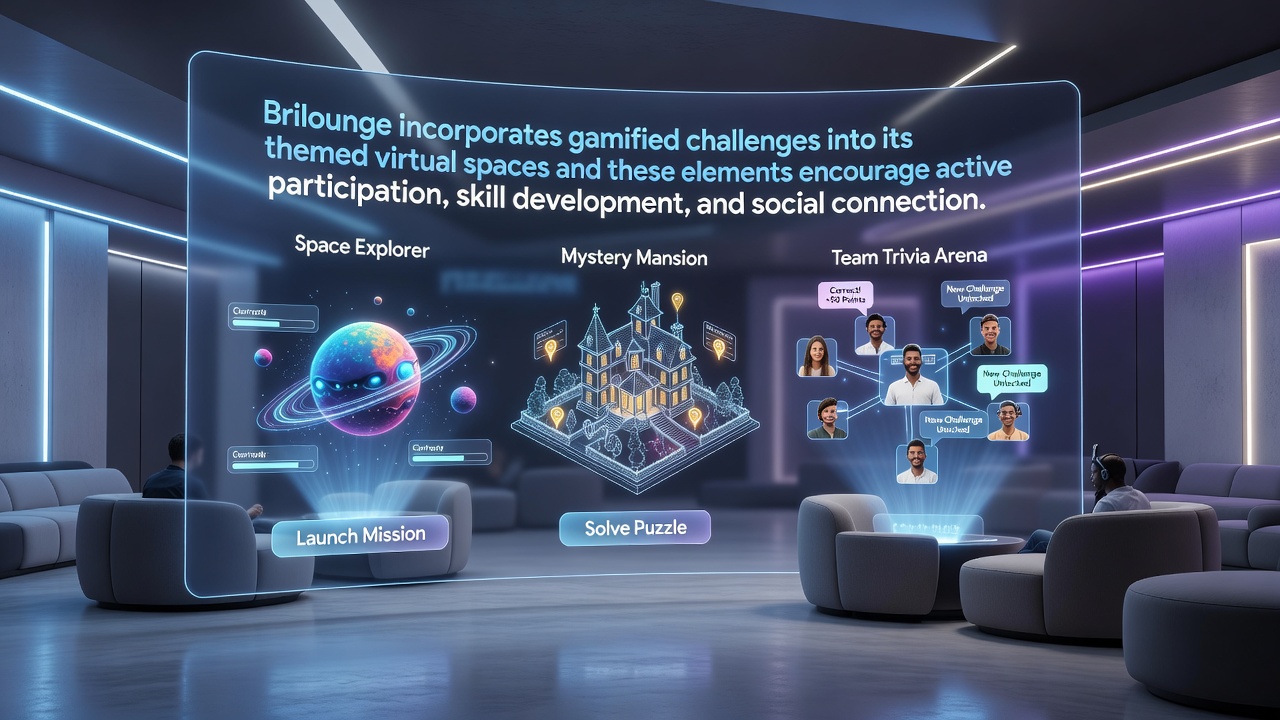
One documented pattern involves users completing a series of timed challenges in a creative studio theme that teach basic design principles, after which they apply those principles to a collaborative project that earns additional points when criteria are met. The process repeats across different themes, creating pathways that let individuals select focus areas while the system ensures each path includes both entertaining interactions and verifiable learning steps. Reports from education research groups indicate that such blended formats can produce stronger skill transfer when participants receive consistent feedback tied to real-world applications.
Observed Patterns in Participant Skill Development
Tracking data collected across Brilounge sessions reveals that users who engage regularly with the challenge sequences demonstrate measurable gains in targeted competencies, particularly when activities require repeated practice combined with reflective elements. The platform records these outcomes through pre- and post-module assessments that compare performance before and after exposure to specific learning modules, and results align with findings from studies on gamified education conducted by institutions in multiple regions.
Participants often move between different themed spaces to access varied skill sets, and the system supports this movement by carrying progress markers forward so achievements in one area contribute to overall advancement. This design reduces fragmentation and encourages sustained involvement over extended periods, while the entertainment layer maintains motivation during more demanding practical exercises. According to figures released by the OECD education division, integrated digital learning environments that incorporate game mechanics have shown consistent associations with higher engagement levels across diverse user groups.
Platform Updates Scheduled for October 2026
Brilounge has announced expansions to its challenge library that will take effect in October 2026, including new themed spaces focused on emerging technologies and cross-cultural collaboration, and these additions will incorporate updated tracking tools that provide more granular feedback on skill application. The rollout aligns with broader industry shifts toward adaptive learning systems, and early descriptions indicate the new modules will maintain the existing balance between entertainment features and structured practical content.
Additional features planned for that period include enhanced group challenge options that let multiple users work together on shared objectives while individual progress remains tracked separately, and the platform will introduce certification pathways based on accumulated module completions. These changes build on existing infrastructure rather than replacing it, preserving continuity for current participants while expanding available options.
Conclusion
Brilounge demonstrates one model for combining gamified challenges with themed virtual spaces to support skill development through activities that integrate entertainment and practical modules, and the platform continues to refine its approach based on participation patterns and performance data. The structure encourages repeated engagement while directing users toward measurable learning outcomes, and upcoming updates in October 2026 will extend these elements into additional thematic areas. Information from sources such as the National Science Foundation on digital education tools provides context for evaluating how such systems function across different settings.