Anna Krause · 8 September 2026
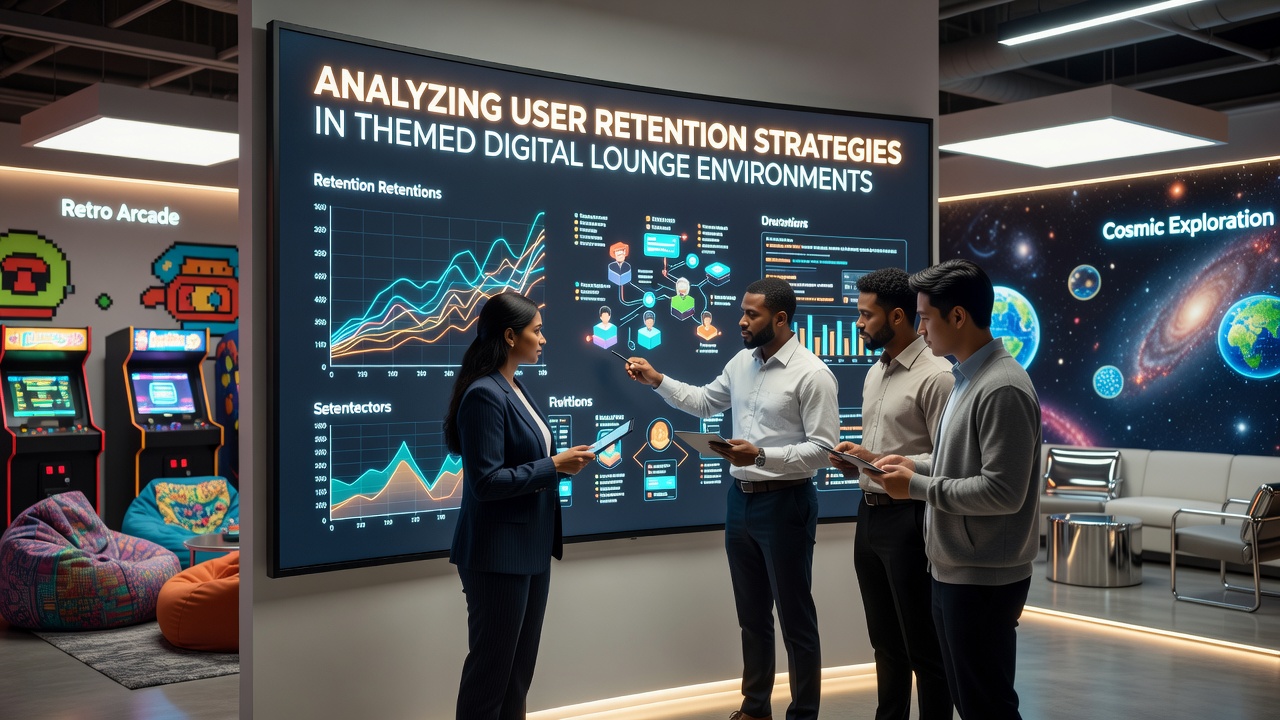
Analyzing User Retention Strategies in Themed Digital Lounge Environments
Retention in themed digital lounge environments depends on coordinated tactics that blend visual themes with ongoing user engagement tools, and researchers track these patterns through platform analytics across multiple regions. Observers note that successful environments maintain activity levels by aligning content updates with user behavior data collected over time.
Defining Themed Digital Lounge Environments
These platforms combine themed aesthetics such as retro arcades or futuristic hubs with social and interactive functions, while users access them through apps or browsers that support real-time participation. Data indicates that adoption has grown in sectors like entertainment and education, where environments serve as gathering points for communities that return for scheduled activities.
Key Strategies Driving Retention
Personalization stands out as a primary method, and platforms apply algorithms to adjust themes or suggest groups based on past interactions so that users encounter familiar yet evolving spaces each time they log in. Studies from academic institutions reveal that tailored notifications increase session frequency when they reference specific user preferences without overwhelming inboxes.
Event programming adds another layer, since themed lounges host regular virtual gatherings like trivia nights or collaborative design sessions that tie directly into the environment's aesthetic. Those who've analyzed usage patterns find that events scheduled during peak regional times help sustain participation rates across different time zones.
Community and Reward Integration
Building social connections occurs through features such as group challenges and shared content creation, and these elements encourage users to form ongoing relationships within the themed setting. Research shows that reward systems, including digital badges or access tiers earned through consistent activity, correlate with longer average user lifespans on similar platforms.
Yet retention also hinges on balancing rewards with genuine interaction opportunities, because purely transactional approaches tend to lose momentum after initial novelty wears off. Figures from industry reports highlight that environments incorporating user feedback loops see steadier retention curves compared to static designs.
Data Analysis and Measurement Techniques
Analytics teams monitor metrics including return visit rates and time spent per theme zone, while advanced tools segment users by engagement depth to identify drop-off points early. According to findings published by the Pew Research Center, mobile access patterns influence how often participants re-enter lounges, prompting developers to optimize for shorter, repeated sessions on handheld devices.
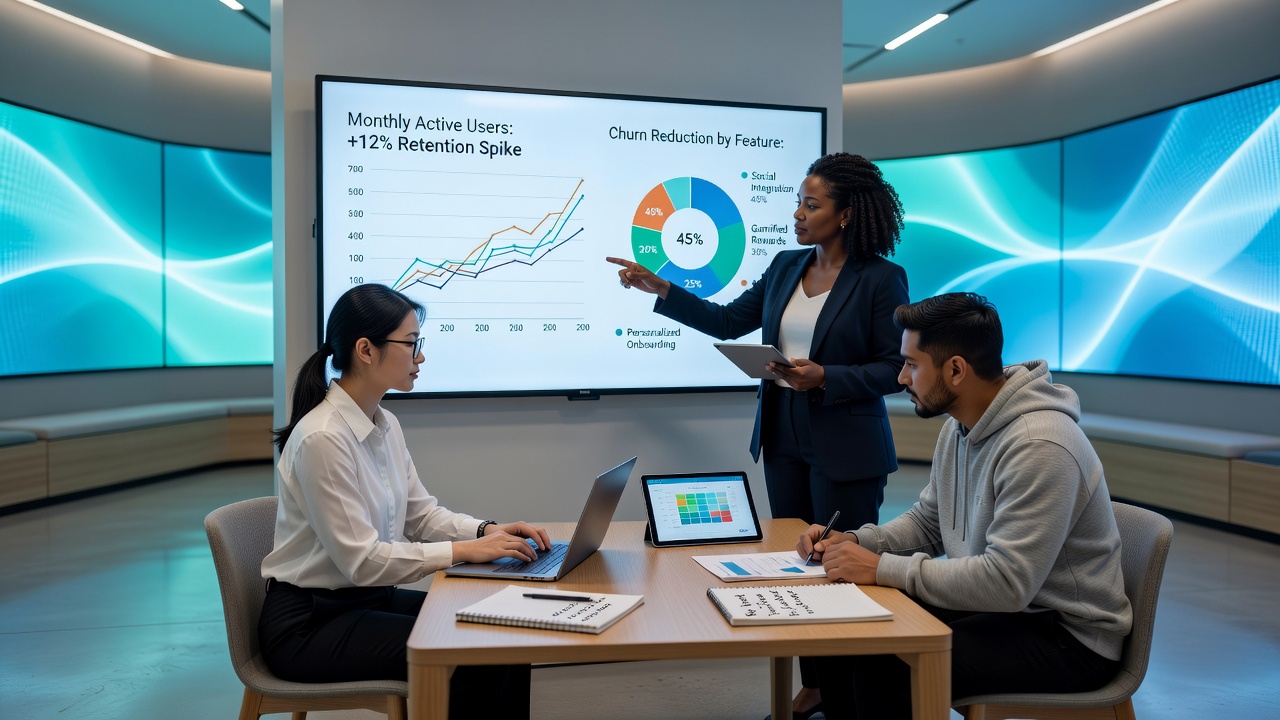
Segmentation by theme popularity allows operators to rotate underperforming areas or enhance them with new mechanics, and this iterative process relies on aggregated data rather than individual tracking. Experts observe that cross-platform comparisons, such as those drawn from North American and European services, demonstrate consistent benefits when retention tactics adapt to cultural theme preferences.
Regional Variations and Regulatory Context
Implementation differs by location, with platforms in Australia often emphasizing outdoor-inspired themes that align with local interests, whereas European services focus on collaborative storytelling elements. A report from the European Commission's digital economy unit notes that data protection standards shape how retention features collect and apply user information, leading to more transparent consent flows in those markets.
Canadian industry groups have documented similar shifts, where lounges incorporate bilingual support and regional events to maintain relevance. These adaptations show measurable effects on repeat engagement when they address both linguistic and cultural factors simultaneously.
Trends Emerging Toward September 2026
Projections for September 2026 point to increased use of AI-assisted theme adjustments that respond to real-time group dynamics, and preliminary tests indicate potential gains in session length when environments evolve based on collective user input. Observers track pilot programs that integrate augmented overlays into existing lounges, allowing themes to shift seasonally without full redesigns.
Industry associations anticipate broader adoption of these tools as hardware capabilities advance, while data from ongoing trials suggests retention improves when updates coincide with major calendar events.
Conclusion
Retention strategies in themed digital lounge environments succeed when they combine personalization, events, community tools, and measured analytics into a cohesive system that evolves with user needs. Platforms that apply these methods across varied regions demonstrate sustained activity through structured yet flexible approaches, and continued observation through 2026 will clarify which combinations deliver the most consistent results.